Serving and Relocating: How Active-Duty Military Personnel Can Streamline Vehicle Transfers in South Carolina
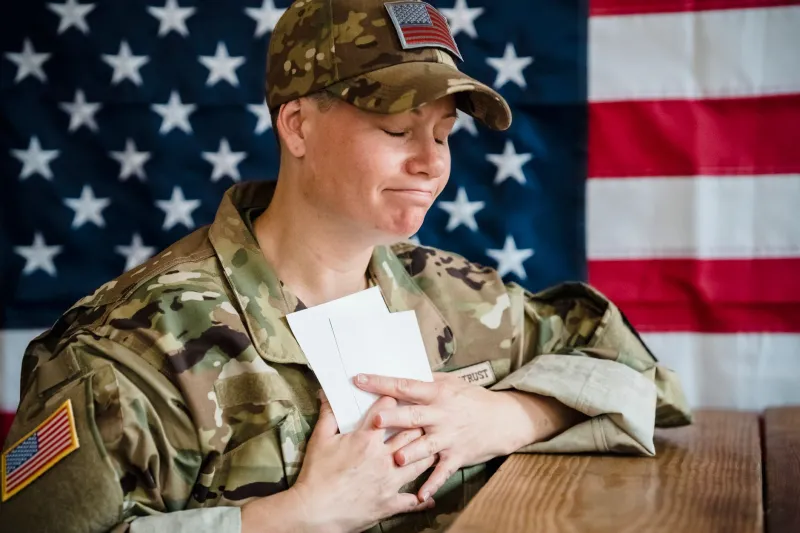
Permanent Change of Station orders have a way of compressing timelines and multiplying administrative obligations simultaneously. For the thousands of service members who receive orders to installations across South Carolina each year — Fort Jackson in Columbia, Shaw Air Force Base in Sumter, Marine Corps Recruit Depot Parris Island, and others — vehicle registration and title transfer often become urgent tasks in the midst of an already demanding relocation process.
South Carolina's regulatory framework recognizes the unique circumstances of military life and provides specific accommodations designed to reduce friction for eligible service members and their dependents. Knowing which provisions apply to your situation, which documents to gather before you arrive, and how to navigate the SCDMV process efficiently can save significant time and expense.
Understanding Your Residency Status: A Critical First Step
Before addressing the mechanics of a vehicle transfer, active-duty service members must understand how South Carolina law treats their residency status — because it directly affects their legal obligations.
Under the federal Servicemembers Civil Relief Act (SCRA), an active-duty service member does not automatically become a resident of the state in which they are stationed simply by virtue of receiving orders there. A service member who is a legal resident of another state — Texas, North Carolina, or Georgia, for example — and who receives PCS orders to South Carolina may retain their home state's vehicle registration without penalty, provided they maintain valid registration and insurance in their home state.
This distinction is important: if you are not choosing to establish South Carolina domicile, you may not be required to transfer your title or re-register your vehicle in South Carolina at all. However, if you wish to establish South Carolina residency — or if your spouse or dependents are registering a vehicle separately — different rules apply.
If you are uncertain about your residency classification, consulting with your installation's legal assistance office prior to visiting the SCDMV is strongly advised.
When a Transfer Is Required: Situations That Trigger South Carolina Registration
Several circumstances will require a service member or their family to complete a South Carolina vehicle transfer regardless of SCRA protections:
- Establishing voluntary South Carolina domicile: If you choose to make South Carolina your legal state of residence, you must register your vehicle here within 45 days.
- Spouse or dependent vehicles: A non-military spouse who establishes South Carolina residency independently of the service member's military status is subject to standard registration requirements.
- Purchasing a vehicle while stationed in South Carolina: Any vehicle purchased in-state must be titled and registered in South Carolina within 45 days of the purchase date.
- Vehicles previously registered under SCRA that are now being transferred to a new owner: Standard transfer rules apply.
Required Documentation for Military Vehicle Transfers
The SCDMV requires a specific set of documents for all title transfers, with additional items applicable to military personnel. Assembling these materials before your appointment will prevent unnecessary return visits.
Standard documents required for all transfers:
- The existing vehicle title, properly signed over if purchased from a private seller or dealer
- A completed Application for Certificate of Title and Registration (Form 400)
- Proof of South Carolina auto insurance meeting minimum liability requirements
- Valid government-issued photo identification
- Odometer disclosure statement (for vehicles under ten years old)
Additional documents for active-duty military applicants:
- Current military orders (PCS orders to a South Carolina installation)
- Military ID or Common Access Card (CAC)
- If claiming SCRA protections to retain out-of-state registration: a copy of orders and a written statement of home state domicile may be requested
- If a vehicle is registered in a spouse's name only: proof of marriage and the spouse's identification
If the vehicle carries an active lien held by a lender in another state, you will also need documentation confirming the lien holder's information, as this must be reflected on the new South Carolina title.
The South Carolina Military Fee Exemption
South Carolina provides a meaningful financial accommodation for qualifying military vehicle owners. Active-duty service members who are legal residents of South Carolina — and who are stationed outside the state — are eligible for a registration fee exemption on one vehicle. This exemption acknowledges the reality that service members often maintain legal ties to South Carolina while serving elsewhere.
For service members stationed within South Carolina who are legal residents of the state, standard fees apply, but the county property tax assessment may be influenced by the vehicle's assessed value and the applicable county millage rate. Some counties near major military installations have historically maintained rates that reflect the transient nature of the local military population, though rates are set by county governments and are subject to change.
Navigating Frequent Relocations: Practical Strategies
One of the most persistent challenges for military families is managing vehicle documentation across multiple relocations. Titles, lien documents, and registration records can become scattered across multiple states over the course of a career. The following strategies can help maintain order.
Maintain a dedicated vehicle document file. Keep physical and digital copies of your current title, all previous registration documents, lien release letters, and insurance records. A cloud-based backup ensures access regardless of where orders take you next.
Notify your lender before relocating. If your vehicle is financed, inform your lender of your new duty station address. Some lenders have military-specific departments that can expedite lien-related paperwork and accommodate address changes without standard processing delays.
Request expedited title processing when available. The SCDMV offers expedited title processing for an additional fee. For service members working within compressed PCS timelines, this option can be worth the added cost to ensure documentation is in order before reporting for duty.
Use the SCDMV's online services where possible. Many routine transactions, including address updates and registration renewals, can be completed online, reducing the need for in-person visits during an already demanding relocation period.
Connecting with On-Base Resources
Most South Carolina military installations maintain legal assistance offices staffed by Judge Advocate General (JAG) personnel who are familiar with SCRA provisions and state-specific vehicle regulations. These offices can provide personalized guidance, review your documentation, and in some cases assist with preparing written statements required by the SCDMV.
Additionally, many installations have established relationships with local SCDMV offices and can provide referrals to staff familiar with military transfer scenarios. Leveraging these on-base resources before initiating the transfer process independently can prevent common errors and reduce processing time.
A Note on Veterans Transitioning Out of Service
Veterans who separate or retire while stationed in South Carolina and choose to remain in the state face a distinct transition. Upon separation, SCRA protections tied to active-duty status expire, and the veteran becomes subject to standard South Carolina residency requirements. This means that a vehicle previously registered in another state under SCRA must be transferred to South Carolina within the standard 45-day window following the establishment of South Carolina domicile.
Planning this transition in advance — ideally before the separation date — allows veterans to schedule SCDMV appointments, gather documentation, and budget for county property taxes without the added pressure of an approaching compliance deadline.
South Carolina's military community represents a substantial and valued segment of the state's population, and the regulatory accommodations available to service members reflect that relationship. Taking the time to understand those accommodations fully is the first step toward a transfer process that is as efficient as the mission demands.