What South Carolina Vehicle Buyers Discover Too Late: The Real Cost of Skipping a Pre-Transfer Inspection
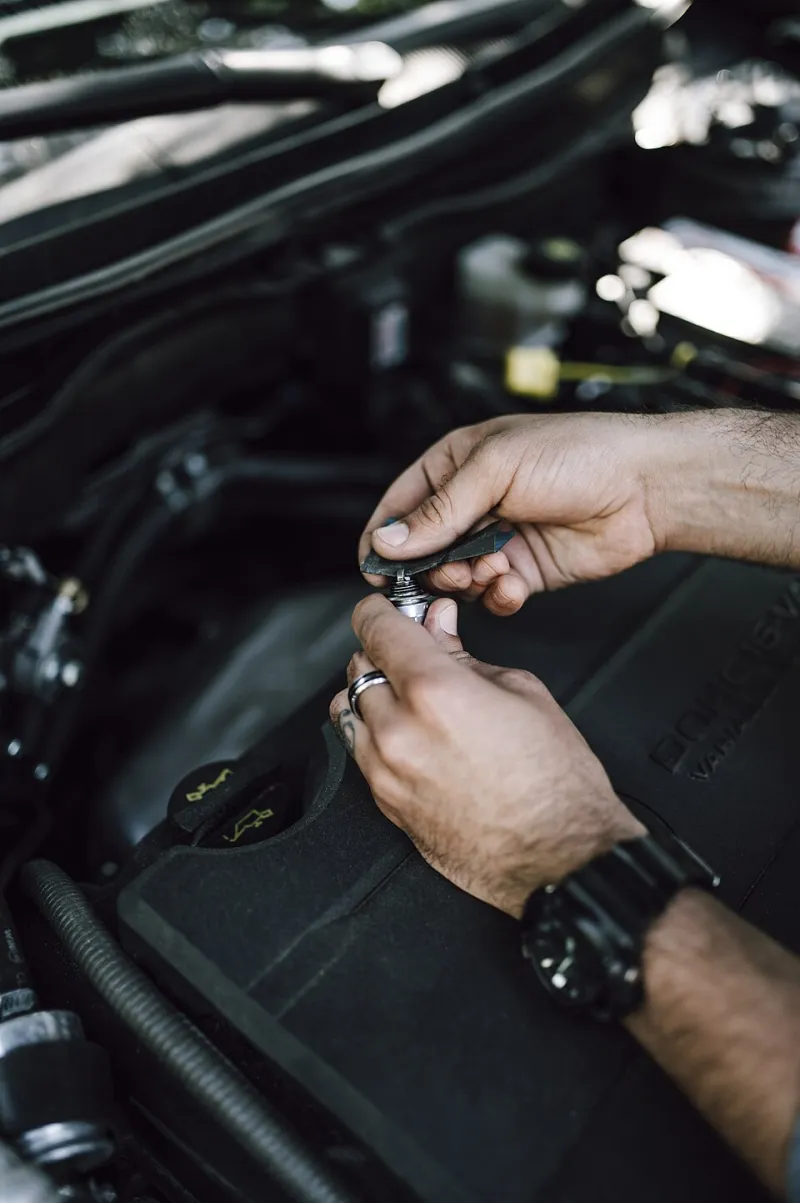
Photo: Shixart1985, CC BY 2.0, via Wikimedia Commons
For many South Carolina vehicle buyers, the excitement of a completed title transfer quickly gives way to a far less pleasant reality: a vehicle that runs poorly, carries hidden mechanical defects, or fails a state inspection within weeks of purchase. What appeared to be a sound investment at the point of sale becomes a financial burden that no amount of negotiation can fully reverse once the title has changed hands.
The pattern is familiar to mechanics, DMV officials, and consumer advocates across the Palmetto State. A buyer, eager to close a deal, skips or abbreviates the pre-purchase inspection process. The title transfers. The problems emerge. And by that point, the legal and financial landscape has shifted dramatically in the seller's favor.
This article examines the specific inspection gaps that most frequently lead to costly surprises, the regulatory and liability questions that arise after transfer, and the documentation practices that protect buyers before they ever sign the title.
Why the Moment of Transfer Changes Everything
Under South Carolina law, a vehicle title transfer is not simply an administrative transaction — it is a legal handoff of ownership, along with the responsibilities and liabilities that come with it. Once a buyer accepts the title and the transfer is recorded with the South Carolina Department of Motor Vehicles, the presumption of ownership shifts entirely. Any mechanical defects, outstanding safety issues, or undisclosed damage become the buyer's problem to resolve.
South Carolina does not impose a statutory implied warranty on private vehicle sales. This means that absent a specific written agreement between the parties, the sale is conducted on an "as-is" basis. Sellers are not legally obligated to disclose every mechanical flaw, though misrepresentation remains actionable. The practical consequence is that buyers who forgo pre-transfer inspections have very limited legal recourse once the paperwork is complete.
DMV representatives consistently note that a significant portion of post-transfer disputes they field involve buyers who were unaware of the vehicle's true condition at the time of sale. In many of these cases, a qualified mechanical inspection would have either uncovered the defect or provided documentation that could support a later legal claim.
The Inspection Gaps That Cost Buyers the Most
Not all inspection shortcomings carry equal financial weight. Certain categories of vehicle defects are disproportionately responsible for the most expensive post-transfer surprises.
Structural and Frame Damage Vehicles that have been in significant collisions may carry frame damage that is invisible to the untrained eye but profoundly affects safety and long-term value. A vehicle with compromised structural integrity may pass a casual visual inspection while harboring repair needs that exceed the vehicle's market value. Buyers who skip a lift inspection with a qualified mechanic are particularly vulnerable to this type of concealed defect.
Transmission and Drivetrain Issues Transmission problems are among the most expensive repairs a vehicle owner can face, often running into the thousands of dollars. These defects may not manifest during a brief test drive, particularly if a seller is aware of the issue and manages the vehicle carefully during the showing. A proper inspection includes a diagnostic scan and a thorough road test conducted by a mechanic familiar with the vehicle type.
Emissions and Safety System Failures South Carolina requires vehicles to meet emissions and safety standards. Buyers who transfer title without verifying compliance may find themselves immediately responsible for bringing a non-compliant vehicle into regulatory standing — a process that can be both time-consuming and expensive. Catalytic converter failures, compromised brake systems, and malfunctioning lighting are among the most common issues that surface at first inspection.
Flood and Water Damage Given South Carolina's vulnerability to severe weather and flooding events, water-damaged vehicles represent a particular risk in the state's used vehicle market. Internal corrosion, compromised electrical systems, and mold growth may not be immediately apparent. Buyers who fail to check for water damage indicators — including musty odors, rust beneath floor mats, and inconsistent electrical behavior — frequently discover the full extent of the problem only after transfer.
Documenting Mechanical Condition Before Signing
The value of a pre-transfer inspection extends beyond simply identifying defects. Proper documentation of a vehicle's mechanical condition at the time of transfer creates a contemporaneous record that can support legal claims, insurance disputes, and regulatory proceedings if problems emerge later.
Buyers should request and retain a written inspection report from a licensed South Carolina mechanic before completing any title transfer. This report should include the vehicle identification number (VIN), the date of inspection, the mechanic's credentials, and a detailed assessment of the vehicle's mechanical systems. Photographs taken at the time of inspection provide additional evidentiary support.
If a seller is unwilling to accommodate a pre-purchase inspection, that reluctance itself is a meaningful signal. Legitimate sellers with nothing to conceal generally have little objection to allowing a buyer to verify the vehicle's condition through an independent assessment.
Buyers should also obtain a vehicle history report through a reputable provider before proceeding to title transfer. While these reports do not capture every mechanical issue, they document prior accidents, title changes, and odometer readings in ways that may reveal inconsistencies in the seller's representations.
Liability Questions That Arise After Transfer
Post-transfer liability disputes in South Carolina often center on two questions: what the seller knew at the time of sale, and what representations were made to the buyer. When a buyer can demonstrate that a seller made specific, verifiable claims about the vehicle's condition — and that those claims were false — a legal claim for misrepresentation may be viable even in an as-is sale.
Documentation gathered during a pre-transfer inspection can be decisive in these situations. A mechanic's report confirming that a defect was not detectable at the time of sale limits the buyer's ability to claim the seller concealed a known problem. Conversely, evidence that a defect was obvious and pre-existing — combined with a seller's written assurances to the contrary — strengthens a misrepresentation claim.
Buyers who skip the inspection process often find themselves without the documentation necessary to pursue either avenue, leaving them to absorb the cost of repairs entirely.
A Practical Framework Before Any South Carolina Title Transfer
The following steps represent a minimum standard of due diligence for South Carolina vehicle buyers prior to completing a title transfer:
- Commission an independent mechanical inspection from a licensed South Carolina mechanic who has no financial relationship with the seller.
- Obtain a vehicle history report and review it carefully for inconsistencies, prior damage disclosures, and title anomalies.
- Document the vehicle's condition in writing and with photographs on the day of inspection.
- Review any written representations made by the seller and retain copies of all communications.
- Confirm the vehicle's emissions and safety compliance status before accepting the title.
These steps do not guarantee a problem-free purchase, but they substantially reduce the risk of costly surprises and preserve a buyer's options if disputes arise after the transfer is complete.
The Inspection Is Part of the Transfer Process
South Carolina's vehicle transfer framework places significant responsibility on buyers to perform their own due diligence before accepting a title. The regulatory system is designed to ensure that ownership transfers are documented and legally sound — not that the underlying vehicle is mechanically fit. Filling that gap is the buyer's obligation, and the consequences of neglecting it are borne almost entirely by the buyer.
A pre-transfer inspection is not an optional courtesy. For buyers who want to avoid the regret that follows an uninformed title transfer, it is an essential component of the process itself.