Dealer or Private Party? What South Carolina Sellers Must Know Before Handing Over the Keys
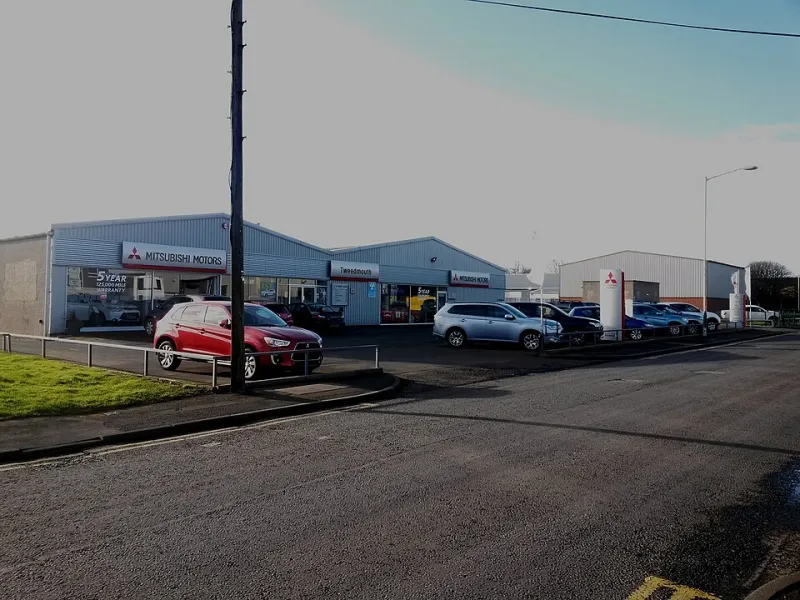
Photo: Graham Robson , CC BY-SA 2.0, via Wikimedia Commons
For many South Carolina vehicle owners, the decision to trade in a car at a dealership feels like the path of least resistance. Drop off the old vehicle, sign a few documents, and walk away with credit toward a new purchase. But the apparent simplicity of a dealer transaction can obscure a set of regulatory obligations that, if overlooked, may leave sellers exposed to legal and financial consequences long after the handshake is done.
This guide examines how dealership-facilitated vehicle transfers operate under South Carolina law, where they diverge from private-party sales, and what compliance gaps sellers should be aware of before completing any transaction.
How Dealership Transfers Differ From Private Sales
In a standard private-party vehicle sale, the seller and buyer share direct responsibility for completing the title transfer. The seller endorses the title, records the odometer reading, and the buyer is expected to register the vehicle and transfer the title at a South Carolina Department of Motor Vehicles (SCDMV) office within 45 days. Both parties carry defined obligations under state law.
Dealership transactions operate within a different framework. Licensed South Carolina motor vehicle dealers are authorized to handle much of the administrative process internally. When a consumer trades in a vehicle, the dealership takes possession of the title and manages the downstream transfer—whether that means retitling the car under the dealership's inventory, selling it to a wholesale auction, or transferring it directly to another retail buyer.
On the surface, this appears to simplify the seller's responsibilities. In practice, however, it introduces a layer of intermediary handling that can complicate matters if documentation is not executed correctly at the point of sale.
The Title Endorsement: Still Your Responsibility
One of the most common misconceptions among sellers trading in a vehicle is that the dealership assumes full control of the title process the moment the keys change hands. While dealers do manage the subsequent steps, the original seller is still responsible for properly endorsing the title at the time of the transaction.
This means signing the title in the correct field, accurately recording the odometer reading, and ensuring the information matches the vehicle identification number (VIN) on the document. Errors at this stage—even minor ones—can create delays in the chain of title and, in some cases, trigger compliance issues that trace back to the original seller.
South Carolina law requires that odometer disclosure be completed on all vehicles under ten model years old that are not exempt under federal regulations. Failure to provide an accurate disclosure is not simply an administrative oversight; it carries potential federal liability under the Truth in Mileage Act.
Liability After the Trade-In: When Does It End?
This is where dealer transactions introduce a risk that many sellers do not anticipate. When a vehicle is traded in, the seller's legal and financial exposure does not automatically terminate at the moment of handoff. Until the title is formally transferred out of the seller's name through the SCDMV system, certain liabilities may technically remain attached to the previous owner.
Consider a scenario in which a dealership accepts a trade-in but delays processing the title transfer while the vehicle sits in inventory. If that vehicle is involved in an incident—a parking lot collision, a test drive accident, or even a registration lapse—the original seller could face complications related to insurance records or registration status, depending on how quickly the title was formally reassigned.
To mitigate this risk, sellers are strongly advised to request written confirmation from the dealership that the title has been submitted for transfer. Some sellers also choose to notify the SCDMV directly that the vehicle has been sold, though this step is not always required in dealer transactions. Retaining a copy of the signed title and the bill of sale is essential documentation in the event of any post-sale dispute.
Lien Satisfaction and Its Impact on Dealer Transactions
For sellers who still carry an outstanding loan on the vehicle being traded, the process involves an additional compliance layer. The dealership is typically responsible for paying off the existing lien as part of the trade-in transaction, but the mechanics of how and when that payoff occurs can vary.
In South Carolina, a title cannot be transferred while an active lien is recorded against it. The dealership must coordinate with the lienholder—usually a bank or credit union—to obtain a lien release before the title can be processed. If there is a gap between when the dealer takes possession of the vehicle and when the lien is actually paid off, sellers may find themselves in a transitional period where the title remains encumbered.
Sellers should confirm with the dealership how lien payoffs are handled and request documentation that the payoff has been submitted. In transactions where the trade-in value is less than the outstanding loan balance—commonly referred to as being "upside down" on the loan—the seller may be required to contribute additional funds to satisfy the lien before the title can clear.
What Dealer Transactions Do Not Protect You From
It is worth stating directly: trading in a vehicle to a dealership does not insulate a seller from all compliance obligations. South Carolina dealers operate under their own licensing requirements and regulatory oversight, but that framework governs the dealer's conduct—not the original seller's title history.
If a vehicle has an undisclosed salvage designation, a prior odometer rollback, or an unresolved title defect, those issues do not disappear simply because the car has been transferred to a dealer. Depending on the circumstances, the original seller could face civil or administrative consequences if such defects surface after the transaction.
Sellers should ensure that the vehicle's title is clean and accurately reflects the car's history before initiating any transaction, dealer or otherwise. Requesting a vehicle history report and confirming the title status through the SCDMV prior to the sale is a prudent step that costs relatively little compared to the potential consequences of undisclosed title problems.
Practical Steps for a Compliant Dealer Sale
To summarize the key compliance actions sellers should take when transacting with a South Carolina dealership:
- Endorse the title accurately at the time of the transaction, including a legible signature and a correct odometer reading.
- Retain copies of the signed title, the bill of sale, and any payoff confirmation from the dealership.
- Confirm the lien payoff timeline if the vehicle carries an outstanding loan, and obtain written acknowledgment from the dealer.
- Verify the title is free of defects before presenting it to the dealer, including checking for any recorded liens, salvage designations, or clerical errors.
- Follow up with the dealership or SCDMV if you have not received confirmation that the title has been transferred out of your name within a reasonable timeframe.
The Bottom Line
Trading in or selling a vehicle to a South Carolina dealership can be a practical and efficient option—but it is not a process that requires zero engagement from the seller. The regulatory obligations that attach to a vehicle title do not dissolve the moment a dealer accepts the keys. Understanding where your responsibilities begin and end, and taking deliberate steps to document the transaction properly, is the most effective way to ensure a clean transfer and protect yourself from compliance issues down the road.