From Salvage Yard to Public Road: Navigating South Carolina's Rebuilt Title Transfer Requirements
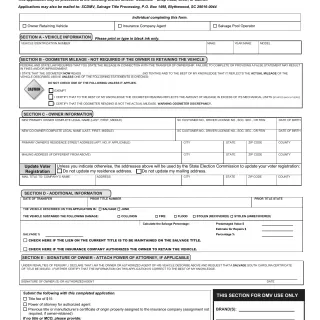
Photo: salvage car inspection documentation South Carolina DMV title, via blanker.org
For many South Carolina motorists, the appeal of a rebuilt vehicle is straightforward: a significantly reduced purchase price for a car or truck that has been repaired to functional condition. But the title transfer process for these vehicles operates under an entirely different set of rules than a conventional transaction. Missing a single compliance step can leave a buyer holding an untitled vehicle — or worse, one that cannot be legally registered or insured.
Understanding how South Carolina's salvage and rebuilt title system functions is not merely helpful. For anyone involved in the purchase, sale, or reconstruction of a previously damaged vehicle, it is essential.
What Distinguishes a Salvage Title from a Rebuilt Title
The distinction between these two designations is foundational to the entire process. In South Carolina, a vehicle receives a salvage title when an insurance company determines that the cost of repairing it equals or exceeds a defined percentage of the vehicle's pre-damage market value — typically 75 percent or more. At that point, the insurer takes ownership, and the title is branded as salvage through the South Carolina Department of Motor Vehicles.
A rebuilt title, by contrast, is issued after a salvage vehicle has been repaired and has successfully passed the required state inspection. The rebuilt designation signals that the vehicle has been restored to operable condition, though the brand remains permanently on the title. This distinction carries lasting consequences for resale value, financing eligibility, and insurance coverage.
Neither designation erases the vehicle's history. Both will appear on any standard vehicle history report, and prospective buyers should treat that information accordingly.
The Reconstruction Phase: Compliance Starts Before the Transfer
Many people assume that compliance with South Carolina's rebuilt title requirements begins at the DMV counter. In reality, it starts the moment reconstruction work commences. Individuals or businesses that repair salvage vehicles for the purpose of resale or re-titling must maintain detailed records of the repair process. This includes:
- Receipts and invoices for all replacement parts, including documentation of part origin
- Photographs taken before, during, and after reconstruction
- Records identifying whether parts were new, used, or aftermarket
- Documentation of any structural repairs, including frame or unibody work
South Carolina law requires that anyone rebuilding a salvage vehicle for resale hold a dealer or rebuilder license. Private individuals who reconstruct a salvage vehicle for personal use occupy a different regulatory space, but they are not exempt from inspection requirements.
The Mandatory Inspection: A Non-Negotiable Step
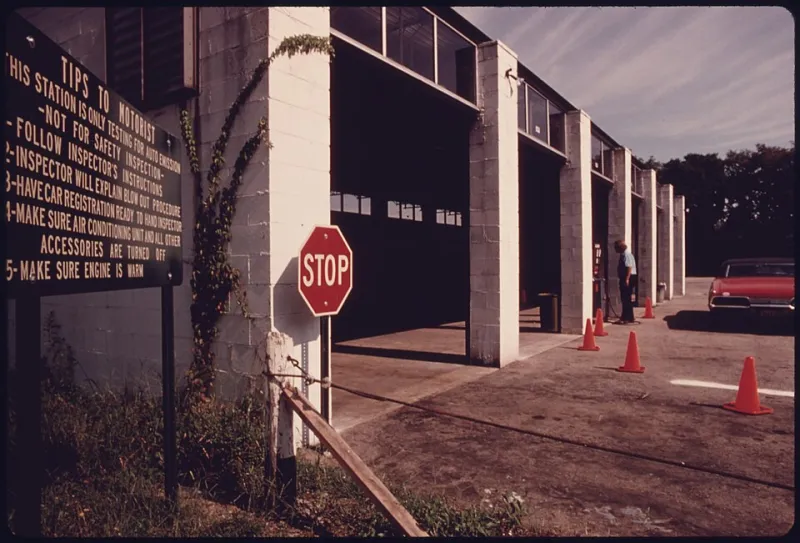
Before a salvage title can be converted to a rebuilt title in South Carolina, the vehicle must pass a physical inspection conducted by the South Carolina Law Enforcement Division (SLED) or an authorized inspection station. This step is where many transfers stall or fail entirely.
The inspection serves two primary purposes. First, it verifies that the vehicle identification number (VIN) matches the title documentation and has not been altered or tampered with. Second, it confirms that the vehicle has been reconstructed using properly sourced components — not stolen parts.
Applicants must present the following at the time of inspection:
- The current salvage title
- All receipts for parts used during reconstruction
- Photographs documenting the repair process
- A completed application for a rebuilt title
Failing to produce adequate documentation is one of the most common reasons inspections are denied. Incomplete part receipts, missing photographs, or discrepancies between the parts listed and those installed can result in rejection and significant delays.
Filing for the Rebuilt Title: The DMV Submission Process
Once the vehicle clears inspection, the next step is submitting the rebuilt title application to the South Carolina DMV. The application package must include the signed salvage title, the inspection certificate issued by SLED or the authorized station, all supporting repair documentation, and the applicable title fee.
At this stage, accuracy is critical. Any inconsistency between the inspection report and the submitted documentation can trigger a review process that extends the timeline considerably. The DMV will issue a rebuilt title that permanently reflects the vehicle's salvage history — a designation that will follow the vehicle through every subsequent transfer.
It is worth noting that the rebuilt title will bear a specific brand indicating the nature of the prior damage. South Carolina uses designations such as "Rebuilt/Reconstructed" to inform future buyers of the vehicle's background. This branding cannot be removed or obscured in any lawful transfer.
Hidden Compliance Pitfalls That Buyers Often Overlook
Purchasing a rebuilt-title vehicle in South Carolina involves risks that are not always immediately apparent. Several compliance issues surface after the transaction is complete, leaving buyers in difficult positions.
Insurance limitations represent one of the most significant concerns. Many standard auto insurers either decline to offer comprehensive or collision coverage on rebuilt-title vehicles, or they charge substantially higher premiums. Buyers who do not confirm coverage eligibility before purchase may find themselves with a vehicle they cannot adequately insure.
Financing restrictions present another obstacle. Most traditional lenders — including banks and credit unions — are reluctant to extend auto loans on rebuilt-title vehicles. Buyers who plan to finance their purchase should secure lender approval before completing the transfer, not after.
Registration complications can also arise if the rebuilt title paperwork contains errors or if the inspection certificate has expired. South Carolina inspection certificates carry validity windows, and if a buyer delays initiating the DMV transfer after the certificate is issued, they may need to repeat portions of the process.
Finally, buyers should be aware that future resale value is measurably lower for rebuilt-title vehicles compared to clean-title equivalents, even when the reconstruction work is of high quality. This depreciation factor should be weighed carefully against the initial purchase price savings.
Disclosure Obligations for Sellers
Under South Carolina law, sellers of rebuilt-title vehicles are required to disclose the vehicle's salvage history to prospective buyers prior to sale. Failing to make this disclosure — or actively misrepresenting the title status — can expose sellers to civil liability and potential criminal penalties for fraud.
Private sellers should document the disclosure in writing as part of the bill of sale. Licensed dealers operating in South Carolina are subject to additional regulatory requirements regarding rebuilt-title disclosures and must ensure their sales practices comply with both DMV regulations and consumer protection statutes.
When Compliance Lapses Become Legal Problems
The consequences of bypassing any portion of South Carolina's salvage-to-rebuilt process are not trivial. Operating a vehicle with an invalid or improperly transferred title constitutes a violation of state motor vehicle law. Buyers who unknowingly purchase a vehicle with an incomplete title conversion may face registration denials, fines, or the inability to legally operate the vehicle until the matter is resolved.
Sellers who transfer vehicles without completing the proper rebuilt title process expose themselves to liability claims, regulatory penalties, and potential license revocation if they hold a dealer or rebuilder license.
For anyone navigating this process, consulting with a licensed title agent or a legal professional familiar with South Carolina motor vehicle law is a prudent step — particularly when the reconstruction involved extensive structural repairs or when part sourcing documentation is incomplete.
Proceeding with Confidence
Rebuilt-title vehicles are a legitimate segment of the South Carolina used vehicle market. When the reconstruction and transfer process is handled correctly, buyers can acquire roadworthy transportation at a meaningful cost savings. The key is understanding that this process demands more documentation, more regulatory engagement, and more due diligence than a standard vehicle transfer.
Approaching the salvage-to-rebuilt pathway with a clear understanding of each compliance requirement — from the first repair receipt to the final DMV submission — is the most reliable way to ensure that the transaction concludes legally, transparently, and without lasting complications.