Protecting Yourself in the Digital Lot: VIN Verification Essentials for South Carolina's Online Vehicle Market

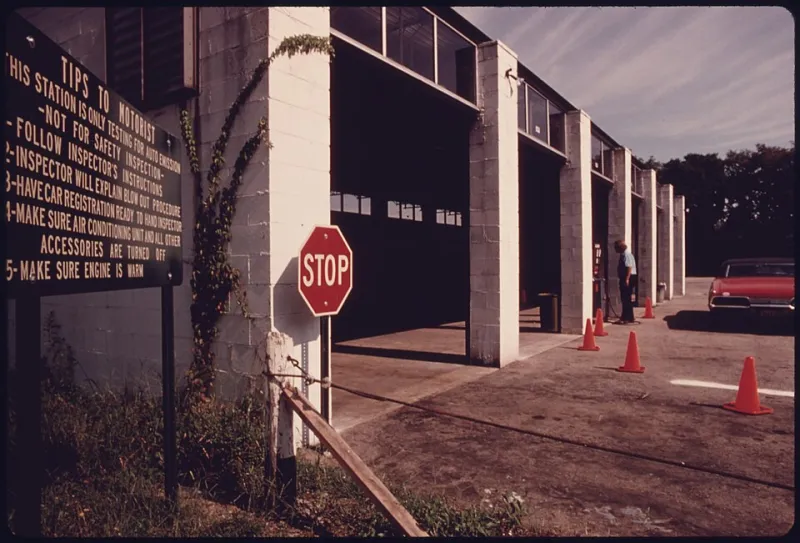
Photo: San Diego Air & Space Museum Archives, Public domain, via Wikimedia Commons
The days of exclusively purchasing vehicles from a dealership lot or through a classified ad in the local newspaper are largely behind us. Today, a significant portion of South Carolina's private vehicle transactions originate on platforms such as Facebook Marketplace, Craigslist, CarGurus, and a growing number of specialized automotive apps. While these channels offer remarkable convenience and expanded reach, they also introduce a category of risk that many buyers and sellers fail to anticipate: VIN fraud and title mismatches.
For the South Carolina Department of Transportation and its title processing infrastructure, the vehicle identification number is the foundational identifier upon which every legal transfer depends. When that number is altered, cloned, or simply misrepresented in an online listing, the consequences for all parties involved can range from a rejected title application to criminal liability.
What a VIN Actually Represents
A vehicle identification number is a 17-character alphanumeric code assigned to every motor vehicle manufactured for sale in the United States since 1981. It is not merely a serial number. Each segment of the VIN encodes specific information: the country of manufacture, the automaker, the vehicle type and restraint systems, a check digit used to detect fraudulent numbers, the model year, the assembly plant, and the sequential production number.
When South Carolina's DMV processes a title transfer, the VIN on the submitted paperwork must correspond exactly to the VIN physically present on the vehicle. Any discrepancy — even a single transposed character — triggers a compliance review. In cases where the mismatch appears intentional, the matter may be referred to law enforcement.
Why Online Transactions Amplify VIN Risk
In a traditional in-person transaction, a buyer has the opportunity to physically inspect the vehicle before money changes hands. In online marketplaces, however, the initial stages of negotiation, and sometimes the entire purchase, can occur without the buyer ever seeing the vehicle in person. Sellers may share photographs, post VIN numbers in the listing, and even conduct virtual walkthroughs — all of which can be manipulated or staged.
The most common VIN-related schemes encountered in digital vehicle sales include:
- VIN cloning, in which a criminal applies the legitimate VIN from a legally titled vehicle onto a stolen vehicle of the same make, model, and color, effectively giving the stolen unit a clean paper identity.
- Altered VIN plates, where the physical VIN plate affixed to the dashboard or door jamb has been modified, replaced, or obscured.
- Title washing, a process by which a vehicle with a salvage or flood designation is transferred through multiple states to obscure its history, sometimes accompanied by VIN discrepancies introduced during the process.
- Mismatched listings, where the VIN posted in an online advertisement does not correspond to the actual vehicle being sold, whether through error or intent.
Each of these scenarios creates problems that surface at the title transfer stage, often after money has already exchanged hands.
How to Verify a VIN Before Any South Carolina Transfer
Whether you are the buyer or the seller in an online transaction, conducting thorough VIN verification before proceeding is not optional — it is a practical necessity.
Step One: Run the VIN Through a Reputable History Service
Services such as the National Motor Vehicle Title Information System (NMVTIS), which is federally authorized, as well as commercially available platforms like Carfax and AutoCheck, allow anyone to generate a vehicle history report using only the VIN. These reports surface prior title records, odometer readings, reported accidents, and any salvage or theft designations. South Carolina participates in NMVTIS data sharing, meaning state-level title events for vehicles registered here are reflected in those reports.
If a seller refuses to provide a VIN or discourages a history check, that resistance alone constitutes a significant red flag.
Step Two: Physically Confirm the VIN in Multiple Locations
A vehicle carries its VIN in several locations, not just the dashboard plate visible through the windshield. Common secondary VIN locations include the driver's side door jamb sticker, the engine block, the firewall, the frame near the front of the vehicle, and in some models, the spare tire well. When inspecting a vehicle purchased through an online platform, compare the VIN across at least three of these locations. Inconsistencies between locations suggest tampering.
For buyers completing a transaction in which they have not yet seen the vehicle, arrange an in-person inspection before signing anything. If geography makes that impossible, hire a certified pre-purchase inspection service that physically confirms VIN consistency as part of their standard report.
Step Three: Cross-Reference the VIN Against the Title Document
The seller should be able to produce the existing South Carolina title or, for out-of-state vehicles, the equivalent document from the issuing state. The VIN on that document must match the VIN on the vehicle character for character. Examine the title itself for signs of alteration, including erasure marks, unusual font inconsistencies, or laminate tampering.
If the title is listed as electronic — a possibility for newer South Carolina transactions processed through the state's e-title system — the seller should be able to provide a printout or digital record issued by the DMV that reflects the same VIN.
Step Four: Request a VIN Inspection if Doubt Remains
South Carolina law enforcement agencies and authorized DMV inspection stations can conduct a formal VIN inspection when the authenticity of a vehicle's identification number is in question. This service is particularly advisable for high-value vehicles, classic cars, or any transaction where the documentation history appears incomplete. A formal VIN inspection provides an independent verification that can support a clean title application.
Red Flags Specific to Online Listings
Beyond the physical inspection, certain patterns in online listings themselves warrant heightened scrutiny:
- Listings that include a VIN in the description but decline to share additional photos of the VIN plate itself
- Prices that fall substantially below market value for the year, make, and model
- Sellers who request wire transfers, cryptocurrency, or other non-reversible payment methods before the buyer has inspected the vehicle
- Listings reposted across multiple platforms with slightly different details
- Sellers located out of state who propose shipping the vehicle before payment is confirmed
- Vehicle history reports that show ownership gaps, multiple rapid transfers, or registration in states known for title-washing activity
None of these signals is individually conclusive, but in combination they suggest a transaction that deserves careful scrutiny before proceeding.
The Seller's Obligation in a Digital Transaction
South Carolina sellers using online platforms carry their own compliance responsibilities. Providing an accurate VIN in a listing is not merely a courtesy — misrepresenting vehicle identification information in connection with a sale can expose a seller to civil liability and, in cases involving knowingly fraudulent information, to criminal charges under state and federal statutes.
Sellers should confirm their own VIN before listing, ensure that the VIN on their title matches the vehicle, and be prepared to facilitate an in-person inspection for any serious buyer. Transparency at the listing stage reduces the likelihood of a failed title transfer and the disputes that accompany it.
Completing the Transfer with Confidence
Once both parties have verified the VIN and confirmed that all documentation aligns, the formal title transfer process with SCDOT proceeds through the same channels as any other private sale. The completed title, bill of sale, applicable fees, and proof of insurance are submitted to the DMV, either in person at a branch office or, where eligible, through the state's online services portal.
The digital marketplace has made vehicle buying and selling more accessible than at any prior point in South Carolina's history. Ensuring that VIN verification remains a non-negotiable step in every online transaction is how buyers and sellers alike protect that convenience from becoming a liability.